The Legacy of Launch campaign preserves and rebuilds the launch complexes where the Space Age began. Phase 1 reopened in June 2025. Phase 2 is now underway.
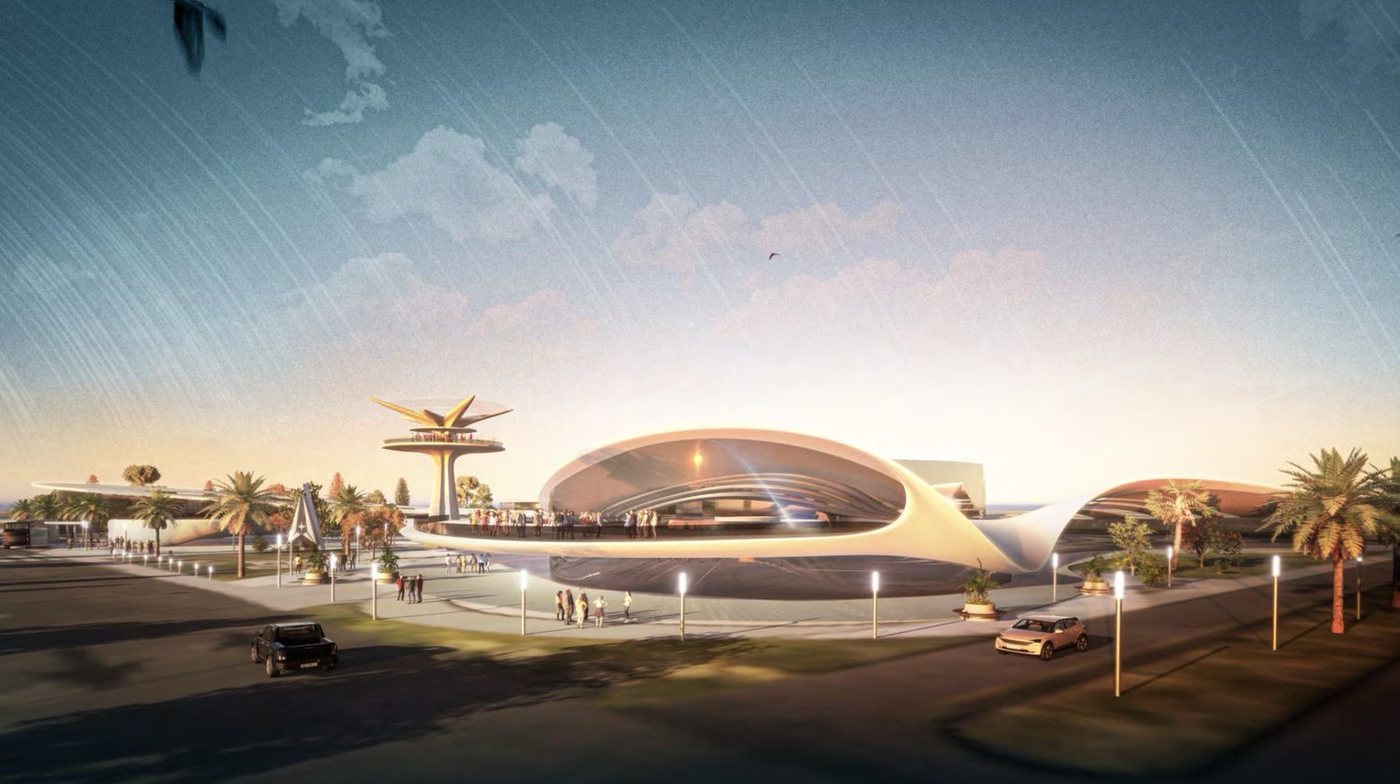
In June 2025 the Sands Space History Center reopened to the public, marking the first completed phase of the Legacy of Launch campaign. New exhibits, restored artifacts, and the rebuilt visitor experience are now operational on the grounds of the Cape Canaveral Space Force Museum.
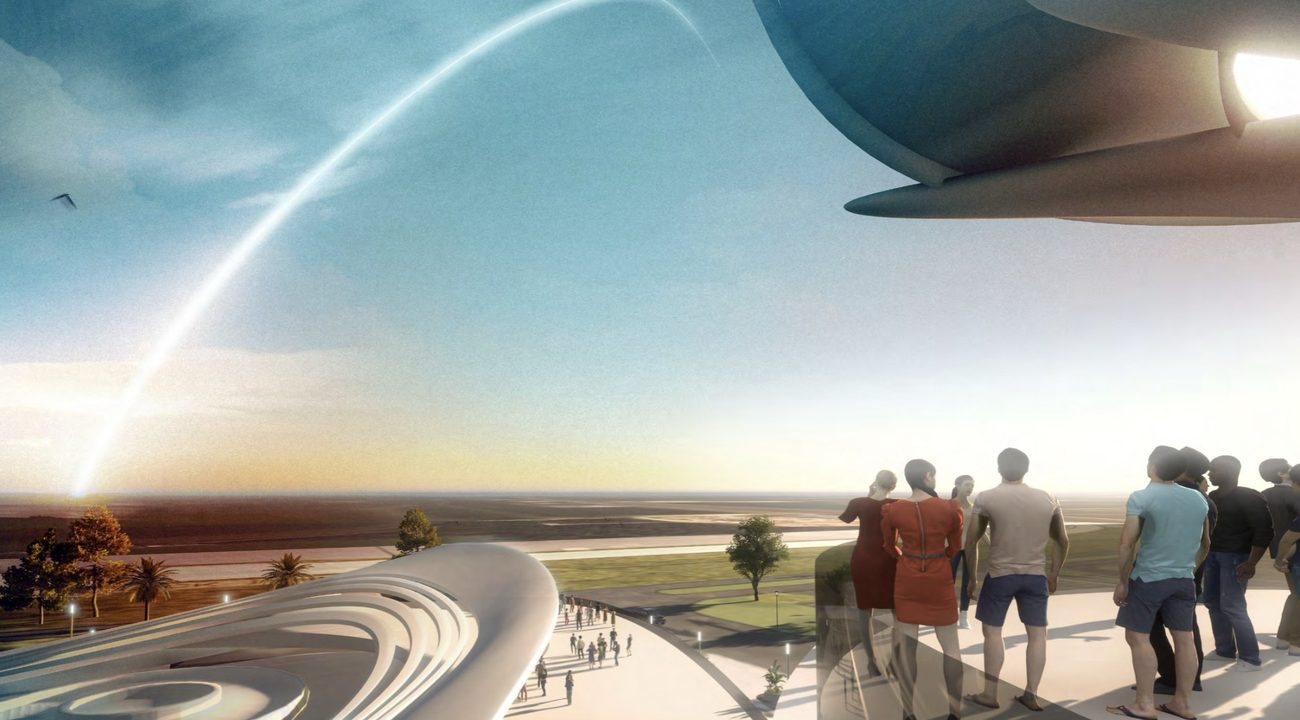
Phase 2 expands restoration to Launch Complex 26, Launch Complex 34, and Hangar C: the heart of America's historic spaceport.
The U.S. Space Force Historical Foundation is the 501(c)(3) nonprofit that has championed the Cape Canaveral Space Force Museum for more than thirty-five years. The Foundation is the authorized recipient of all gifts supporting the Museum's exhibits, restoration projects, public tours, and STEM education programs.
Legacy of Launch is the Foundation's anniversary campaign: a single, coordinated effort to rebuild what time has begun to take.
Each tier carries a defined role in the Phase 2 rebuild. Named placements at Launch Complex 26, Launch Complex 34, Hangar C, and the Sands Center galleries are reserved and assigned in private conversation.
The Founder program is an invitation-led group of philanthropists, families, and institutions making transformative commitments to the campaign. Founders are recognized in permanent architectural placement, hosted at private events at Cape Canaveral, and consulted directly on the trajectory of the rebuild.
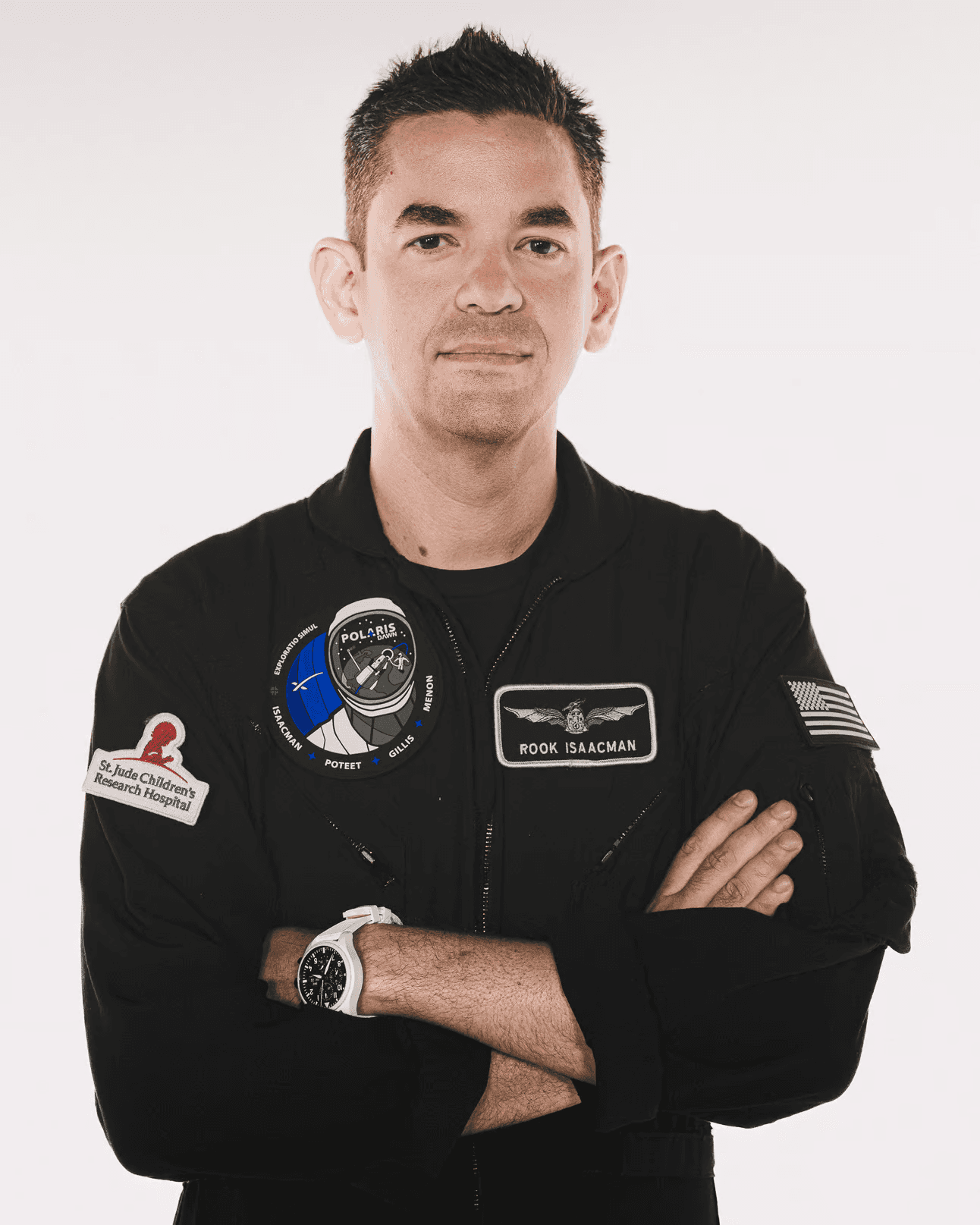
“I am pleased to support the USSF's mission to preserve and promote the rich heritage of space development, education, and exploration.
Jared IsaacmanCommander, Polaris Dawn
Six historic complexes form the spine of the campaign. Each carries its own restoration plan, its own named placement opportunities, and its own role in the rebuilt visitor experience.
Where Explorer 1, America's first satellite, soared into orbit and revealed the Van Allen radiation belts that opened the Space Age.
Hallowed ground where Gus Grissom, Ed White, and Roger Chaffee gave their lives. Their sacrifice strengthened the resolve to reach the Moon.
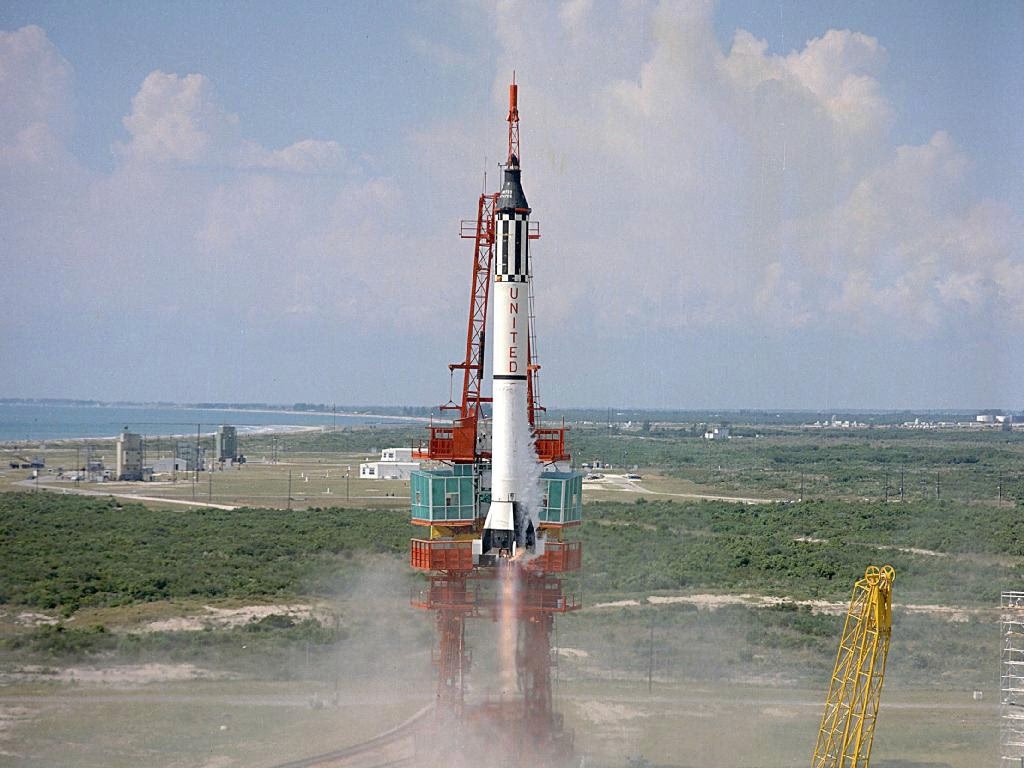
The pad that sent Friendship 7 into orbit and made John Glenn the first American to circle the planet.
Launch Complex 5, where Alan Shepard rode Freedom 7 into history as America's first astronaut.
Cold War rockets, Redstone prototypes, and Titan-era hardware. A collection unmatched anywhere in the country.
The Foundation's flagship public experience. Reopened June 2025 with new exhibits, restored artifacts, and the rebuilt visitor program.
Funds one full conservation cycle for a major artifact: a launch console, a flight-flown component, or a period-correct restoration.
Underwrites a full annual cohort of Florida students through the Sands Center's hands-on space education program.
Funds the design, fabrication, and installation of a new permanent exhibit hall at the Sands Center.
Funds the structural restoration and public-access infrastructure for a single historic launch complex.
The Foundation accepts every major giving vehicle used by individuals, families, and institutions. Gifts of appreciated securities, donor-advised funds, and qualified charitable distributions are encouraged.
All gifts are tax-deductible to the fullest extent allowed by law and are receipted directly by the U.S. Space Force Historical Foundation.
Make a one-time or recurring gift online via the Foundation's secure giving portal.
Give OnlineTransfer appreciated securities directly for a full fair-market deduction and capital-gains avoidance.
Request Wire InstructionsRecommend a grant from your DAF at Fidelity Charitable, Schwab, Vanguard, or your community foundation.
DAF Grant DetailsIf you are 70½ or older, give directly from your IRA up to the annual QCD limit, tax-free.
QCD InstructionsInclude the Foundation in your estate plan, charitable trust, or beneficiary designations.
Planned GivingU.S. Space Force Historical Foundation
Sands Space History Center
100 Space Port Way, Bldg. 90328
Cape Canaveral, FL 32920
Phase 1 is finished. Phase 2 is open. The next chapter of Cape Canaveral will be shaped, in large part, by the people who choose to build it now.